The majority of tankless breakdowns announce themselves the same way, with a blinking code on the display and a shower that turns cold. Behind that code is a system with very little margin for error. There is no storage tank to fall back on, so the heater has to detect flow, light a burner or power its elements, and raise the water temperature by fifty degrees or more in the few seconds it takes water to cross the heat exchanger. When scale narrows the passages, when the flow sensor stops reading, when the flame rod cannot confirm a flame, or when the vent or gas line cannot keep up, the unit protects itself by shutting down. That is the pattern we see again and again in Apex, NC.
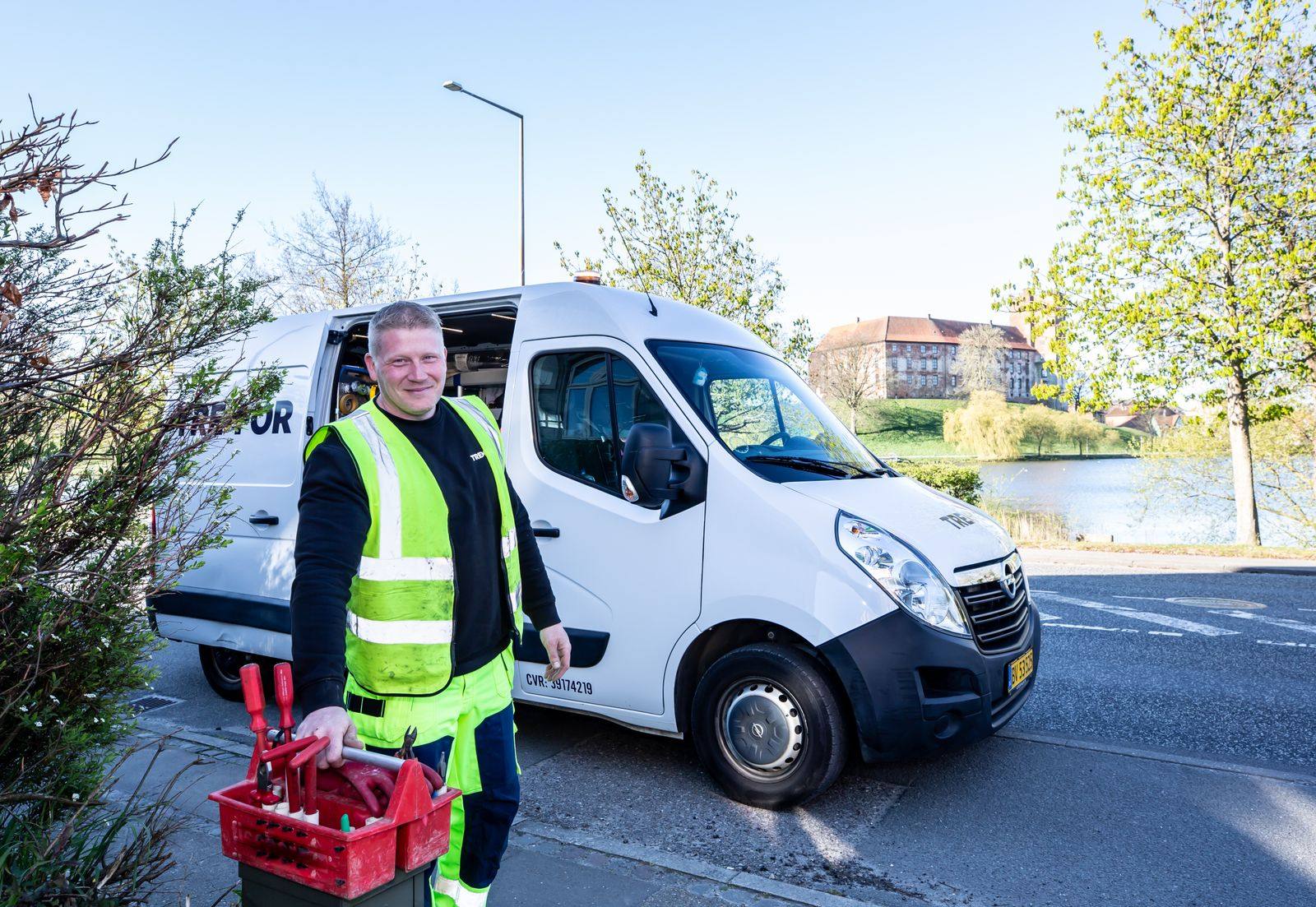
Apex Water Heater starts every tankless repair by reading the unit, not guessing at it. On every service call in Apex, we pull the active error code and the stored fault history, then test the components that code points to: flow sensor output while a faucet runs, flame rod signal in microamps, igniter resistance, inlet gas pressure both static and at full fire, and vent condition from the unit to the termination. Scale gets checked by comparing inlet and outlet temperatures against flow rate, since a heat exchanger that cannot transfer heat gives itself away in those numbers. A code tells us where to look, not what to replace. An ignition code, for example, can come from a worn igniter, a dirty flame rod, low gas pressure, or a blocked intake, and each one calls for a different fix.
Once the cause is confirmed, most repairs are finished in a single visit. We descale heat exchangers with a pump and descaling solution circulated through the service valves, replace worn flow sensors, igniters, flame rods, thermistors, and combustion fans, clean inlet filter screens, and correct venting problems that trip pressure switches. When the real issue is a gas line sized for the old tank heater, we tell you plainly and quote the correct pipe run, because no amount of part swapping will fix a unit that is starved for fuel. If you are fighting a cold-water sandwich, we explain whether it is normal behavior for your model or a sign of a setting, fixture, or recirculation problem we can correct. Call (984) 273-8660 and we will get your hot water flowing again.
Most of our service calls are for Water Heater Repair in Apex. Either is a good place to start.
How to Tell Something Is Wrong
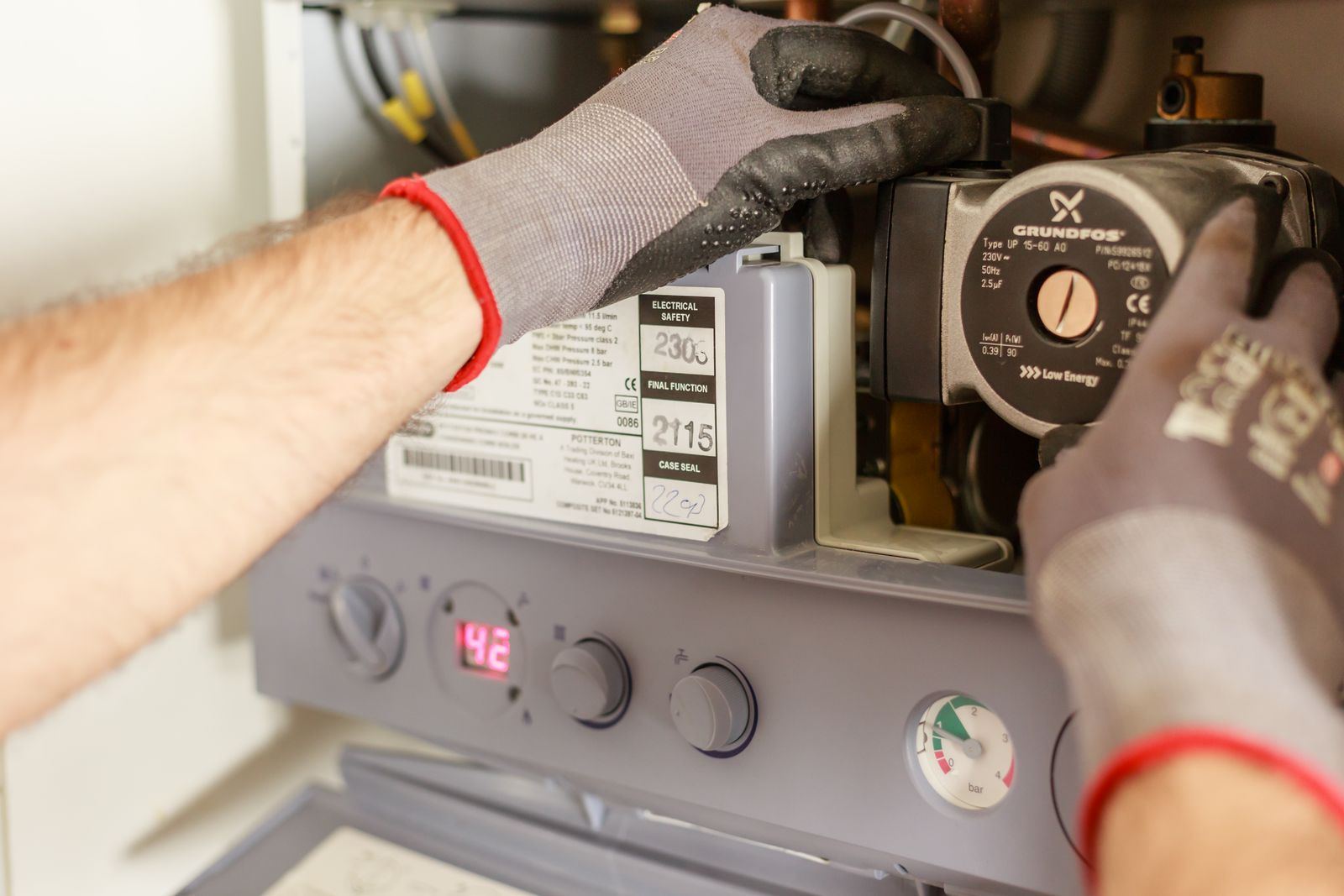
Water heaters usually give plenty of warning before they fail, as long as you know what to look and listen for. These are the red flags our technicians see most often before a breakdown:
- A clicking igniter with no flame, or a flame that lights and quickly drops out
- Hot water that fluctuates even though nobody touched the faucet
- Hot water that cannot keep up with more than one fixture
- No hot water at a low-flow faucet even though the shower works fine
- The display showing an error code instead of a temperature
- Cold slugs in the middle of hot water that last longer than before
- Unusual noises from the cabinet, like a whine, a roar, or a rattle
- Leaks under the unit or around its water connections
Don't Wait for a Total Failure
Most water heater failures start small: a popping sound from sediment, a damp spot under the drain valve, or a shower that goes lukewarm a few minutes sooner each week. Don't wait. Get Apex Water Heater on the phone at (984) 273-8660 and we'll get a technician scheduled.
Water Heater Trouble? Call Us.
One call gets a technician scheduled and a clear price before any work starts.
Call (984) 273-8660 TodayWhat Homeowners Ask Us Most
Why Hire a Professional for Tankless Water Heater Repair?
Consider the risks first. A gas-fired tankless heater can burn nearly 200,000 BTU per hour at full fire, and its vent is the only thing carrying carbon monoxide out of the house; a joint that pulls loose or an intake that gets blocked changes that in a hurry. Electric tankless models are serious electrical loads, frequently more than 100 amps spread over several 240-volt circuits. Then there is the diagnostic puzzle. Error codes point to a system, not a part, so a flow sensor fault, a scaled heat exchanger, and a bad thermistor can look nearly identical on the display, and guessing gets expensive.
What you get from a professional is certainty. Instead of swapping parts, our technicians confirm the fault with a meter, a manometer, and temperature readings, so the fix is aimed at the actual cause. Scale is removed with a pump through the service valves rather than vinegar poured in and left to chance. Gas pressure is checked with the burner at full output, vent runs are inspected against the manufacturer's length and clearance limits, and the unit is tested at low and high flow before we leave. Proper service also helps you stay within the manufacturer's warranty terms, many of which expect qualified service and regular descaling.
From Your Call to Hot Water
We follow the same careful process on every water heater, whether it's a quick thermostat swap or a full tankless conversion. Here's the short version:
Code & Fault History Review
A code points us in a direction, and testing finishes the job. Flow sensor output, flame signal, igniter resistance, inlet gas pressure, and vent condition all get checked before any part is replaced.
What We Found & What It Costs
We explain the fault in plain language and quote the job before touching a tool. When a repair no longer makes sense on an aging unit, you hear that from us directly.
Targeted Repair
We carry the parts that fail most on tankless units, so flow sensors, igniters, flame rods, and thermistors are usually replaced on the spot, and descaling is done in roughly an hour.
Verified Temperature Rise
We run hot water at several flow rates, confirm the unit lights reliably and holds temperature, and check gas pressure at full fire before we leave.
Repair or Replace? Let's Figure It Out.
Tell us the age, fuel type, and symptoms, and we'll help you sort out the next step.
Get Help: (984) 273-8660Prevention Tips That Actually Help
A few preventive steps can help you avoid a cold shower or a wet floor down the road. Follow these tips from our technicians:
- Schedule a descaling flush every year; hard water may call for one every six months
- Do not keep resetting a recurring code; note it and have it checked
- Tell us before adding a gas appliance, so the gas line can be checked for the extra load
- Clean the inlet water filter screen a few times a year so the flow sensor gets full flow
- Never cut power to an outdoor or garage unit in winter, because it needs electricity to protect itself from freezing
- Protect the heat exchanger with a softener or scale inhibitor when your water is hard
- Make sure nothing blocks the exhaust vent or the air intake outside
Should You DIY or Call a Pro?
Online videos may help in a pinch, yet lasting repairs and code-compliant installs depend on correct venting, proper relief valve discharge piping, and a trained technician. Here's a comparison:
| Consideration | DIY Attempt | Hiring a Pro |
|---|---|---|
| Reading the Code | Trial and error based on the manual | Each suspect part tested with a meter |
| Scale Removal | Partial flush that leaves scale behind | Pump-circulated flush through service valves |
| Combustion Safety | Gas pressure and vent joints unchecked | Manometer test at full fire, vent inspected |
| Electrical Work | Live wiring inside the cabinet | Circuits and board checked with proper tools |
| Replacement Parts | Generic parts that may not fit the model | Right part, installed once |
| Result | Temporary fix at best | Root cause fixed and verified |
Book a Visit Today
Cold showers and damp floors don't get better on their own. Apex Water Heater can have a technician headed your way soon.
Call (984) 273-8660 TodayTankless Water Heater Repair Across the Apex Area
We serve Apex and its neighboring towns for tankless water heater repair, from quick same-day repairs to planned installs.